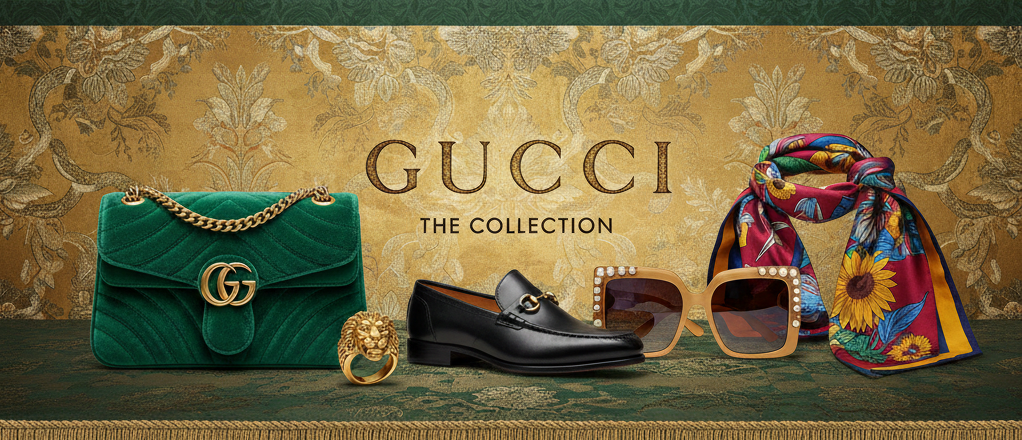
Gucci’s Enduring Reign: Navigating the Dynamics of the Luxury Fashion Industry in 2026
For over a century, the house of Gucci has done more than just participate in luxury fashion; it has frequently defined its cutting edge. As we move through 2026, the Florentine giant finds itself at a critical crossroads. Following a period of “maximalist” dominance under previous creative eras, the brand is currently navigating a sophisticated pivot toward “Casual Grandeur” and heritage-focused luxury.
The Strategic Pivot: From Maximalism to Sabato De Sarno’s “Ancora”
The most significant shift in Gucci’s recent history is the transition of its creative soul. While the late 2010s were defined by eclectic, gender-fluid maximalism, the 2025 and 2026 collections represent a “factory reset.”
Under the creative direction of Sabato De Sarno, Gucci has embraced a philosophy of subdued elegance. This strategy aims to:
- Recapture the “Quiet Luxury” Market: Appealing to ultra-high-net-worth individuals who prefer timeless investment pieces over seasonal “logomania.”
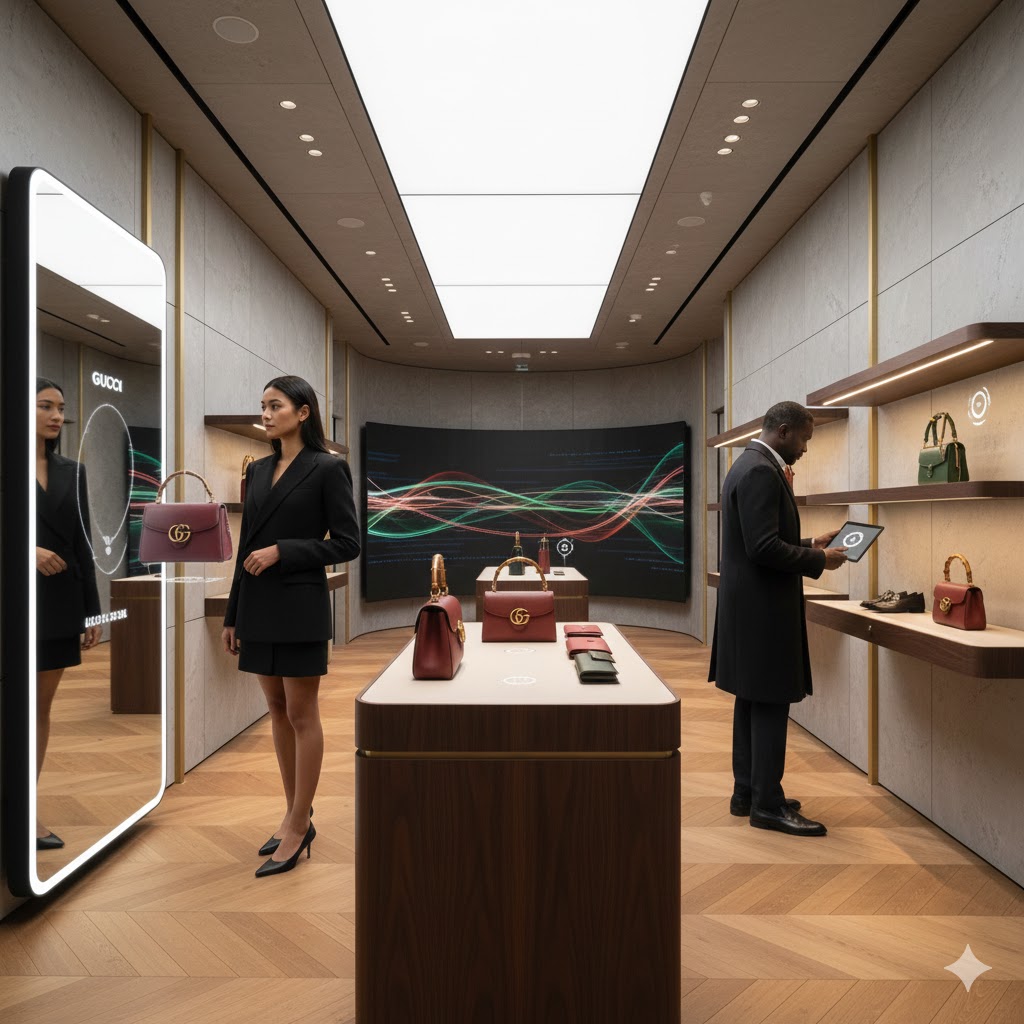
- Emphasize Craftsmanship: Highlighting the brand’s Italian roots in leatherwork, specifically through the “Gucci Rosso” (a signature deep oxblood hue) and the revitalization of the Bamboo 1947 and Jackie bag lines.
- Modernize Silhouettes: Focusing on structured jackets, 60s-inspired mod-line silhouettes, and high-quality basics.
Market Position and Financial Performance (2025–2026)
Gucci remains the crown jewel of the Kering Group, historically accounting for over 50% of the conglomerate’s revenue. However, 2025 was a year of “stabilization” rather than explosive growth.
SWOT Analysis: Gucci’s Current Landscape
To understand where Gucci stands in 2026, we must look at its internal strengths and external pressures:
| Strengths | Weaknesses |
| Brand Equity: 38th most valuable global brand (approx. $17.8B). | Creative Transition Risk: Moving away from the bold “soul” that captivated Gen Z. |
| Global Footprint: Over 500 directly operated stores in prime locations. | Regional Dependency: High sensitivity to the Asia-Pacific luxury market slowdown. |
| Opportunities | Threats |
| Digital Innovation: AI-driven virtual try-ons and blockchain provenance. | Hyper-Competition: Fierce rivalry from LVMH titans (Louis Vuitton, Dior). |
| Sustainability: Circular economy programs like “Gucci-Up.” | Counterfeiting: High-end “superclones” eroding brand exclusivity. |
Export to Sheets
Digital Innovation and the “Phygital” Future
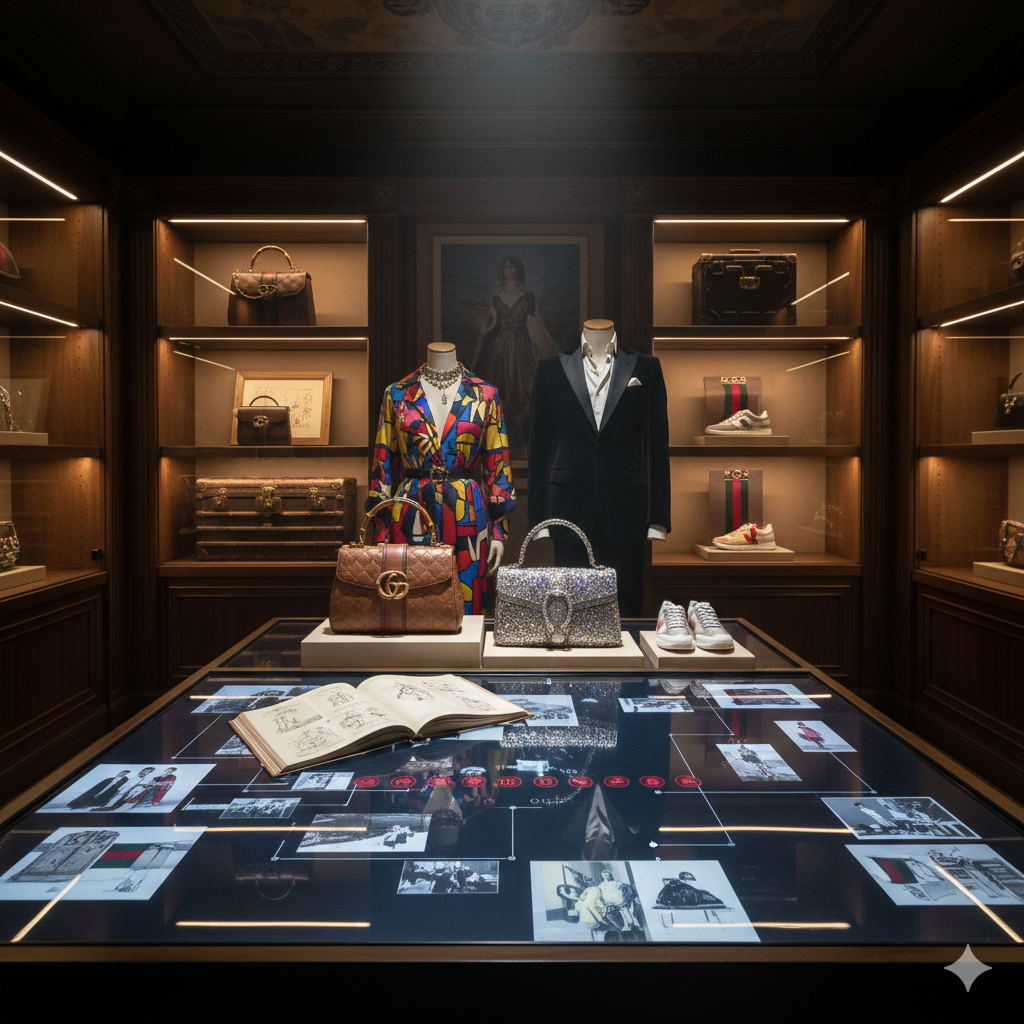
In 2026, Gucci is a leader in integrating technology with high fashion. The brand has moved beyond simple e-commerce into a unified “omnichannel” experience:
- AI-Driven Personalization: Gucci uses generative AI to analyze social media interactions and regional trends, tailoring marketing messages to specific cultural aesthetics.
- Smart Retail: Flagship stores now feature “Intelligent Mirrors” that suggest matching accessories based on items tried on in the dressing room.
- Blockchain & Provenance: High-end leather goods now include RFID and blockchain-based digital twins, allowing owners to verify authenticity and track the item’s repair history.
Sustainability: The Gucci Equilibrium
The modern luxury consumer prioritizes ethics alongside aesthetics. Gucci’s Equilibrium program has set 2026 benchmarks for “circularity.”
- Material Innovation: Increased use of bio-fabricated leathers and regenerated metal scraps.
- Second Life: The brand has expanded its in-house repair and refurbishment centers, encouraging consumers to view their purchases as lifetime investments rather than disposable fashion.
- Traceability: By late 2025, Gucci achieved nearly 100% traceability for its key raw materials, a major milestone in luxury E-E-A-T standards.
The Verdict: Is Gucci Still the Leader?
While brands like Hermès and Chanel maintain a more “exclusive” pricing power, Gucci remains the cultural barometer of the luxury world. Its current shift toward a more minimalist, heritage-rich aesthetic is a calculated move to ensure long-term stability in a volatile global economy. By balancing 100 years of history with 21st-century AI and sustainability, Gucci isn’t just surviving the evolution of luxury—it is directing it.
“As an Amazon Associate I earn from qualifying purchases.”